If you are thinking about a move to southern New Hampshire, Nashua often stands out for one simple reason: it gives you more than one way to live. You can picture a day that starts with a commute, includes lunch downtown, ends with a walk in the park, and still leaves room for shopping, local events, or dinner on Main Street. That mix is a big part of what everyday life in Nashua, NH really feels like, and this guide will help you understand the city’s daily rhythm, lifestyle options, and housing character. Let’s dive in.
What Daily Life Looks Like
Nashua is a city of about 91,851 people, based on the U.S. Census Bureau’s July 2024 estimate. It combines the feel of an active local community with the function of a commuter-friendly city, which gives many residents flexibility in how they live and work. The same census profile reports a median household income of $96,326, a median gross rent of $1,737, a median owner-occupied home value of $403,900, and a mean travel time to work of 26.4 minutes.
Those numbers help paint a practical picture. Nashua has both a meaningful ownership market and a meaningful rental market, so you will find a range of housing situations and daily routines. If you are comparing communities in southern New Hampshire, that balance can make Nashua feel more versatile than places built around one single lifestyle pattern.
The city’s Imagine Nashua master plan adds useful context to that picture. It describes future growth along corridors that mix homes, businesses, recreation, and services, with attention to bicyclists, pedestrians, and other non-drivers. In everyday terms, that points to a city that is thinking about how people actually move through their day, not just where they sleep at night.
Downtown Shapes the City
One of the clearest parts of everyday life in Nashua is its downtown. According to the city’s Downtown Nashua overview, Main Street is the historic and cultural center of the city, with brick-lined sidewalks, dozens of shops and restaurants, and a mix of retail, residential, municipal, and professional uses.
That matters if you are trying to picture daily life instead of just a map. In Nashua, downtown is not only a place for appointments or special occasions. It is part of the city’s regular rhythm, with spaces people use for errands, meals, events, and local gathering throughout the year.
The event calendar reinforces that. The city highlights recurring traditions like the Holiday Stroll, which draws more than 30,000 attendees each year, plus Taste of Downtown, the farmers market on Main Street Bridge from June through October, and ArtWalk Weekend in September. Those events give the downtown area a steady pulse across several seasons.
Riverfront and Millyard Areas Matter
Nashua’s riverfront adds another layer to the city’s character. The Nashua Riverfront Development Project notes that the Downtown Riverfront Master Plan guided a 1.1-mile Riverwalk, helping connect people more directly to the water and nearby activity centers.
The Millyard area also plays a meaningful role in how the city is evolving. The city describes it as sitting at the crossroads of downtown, Mine Falls Park, and the Nashua River, with potential for new housing, economic development, riverfront access, and public amenities. If you like the idea of a place that blends older city character with new investment and public space, this is one of the areas that helps define Nashua’s identity.
The Bridge Street waterfront project also includes conceptual plans for up to 700 housing units along with commercial and retail space. That does not mean every part of Nashua feels urban, but it does suggest a housing future that includes more walkable and river-oriented living options alongside established residential areas.
Getting Around Is Relatively Simple
For a city of its size, Nashua offers several practical ways to get around. The city says the Nashua Transit System has a Transit Center next to City Hall that serves as the central terminal for all bus routes, and CityBus operates 12 routes with more than 390 stops.
If you drive, Nashua also has an extensive downtown parking system with meters, lots, and garages. Route 3 and the F.E. Everett Turnpike run through the city, and Nashua notes that it has eight major highway exits. For many buyers and relocators, that combination is a big part of the appeal because it supports both local convenience and regional access.
This is especially helpful if your routine includes commuting, school or activity drop-offs, errands in multiple parts of the city, or frequent travel to nearby communities. Nashua can function as both a home base and a hub.
Parks Support an Active Routine
Outdoor access is one of the strongest parts of everyday life in Nashua. The city’s Mine Falls Park page describes it as a 325-acre park with forest, wetlands, and open fields, bordered by the Nashua River and the Mill Pond canal system.
Mine Falls is used for walking, biking, boating, fishing, cross-country skiing, and organized sports, and it is open daily from 6 a.m. to 10 p.m. That range of uses makes it more than just a scenic backdrop. It is the kind of place that can become part of your weekly routine, whether you want morning exercise, weekend time outside, or a simple place to reset after work.
Greeley Park offers a different experience. The city lists baseball and softball fields, picnic areas, playgrounds, restrooms, sledding, tennis courts, trails, and a wading pool. It gives residents another well-known public space close to the urban core, with room for both casual visits and organized recreation.
The city’s Parks and Recreation Department also serves Nashua residents with leisure programs, camps, and events. Its SummerFun series at the Greeley Park Bandshell includes free concerts and family events, adding another seasonal layer to the city’s daily life.
Shopping and Dining Stay Convenient
If convenience matters to you, Nashua offers strong day-to-day options for both dining and shopping. Downtown Main Street includes dozens of shops and restaurants, with a mix the city describes as comfort food, international cuisine, and specialty items.
South Nashua adds a different kind of convenience. The city describes it as one of the largest retail clusters in New England, anchored by Pheasant Lane Mall, which it says includes more than 140 stores and kiosks and 15 restaurants. That gives residents access to both small-scale downtown experiences and larger-format retail in the same city.
This blend can make life easier. You may not need to choose between walkable dining areas and practical shopping access because Nashua offers both. For many households, that saves time and adds flexibility to the week.
Community Events Create Rhythm
A city feels different when there are predictable ways to connect throughout the year. Nashua’s Arts and Entertainment page highlights traditions such as the international sculpture symposium, Holiday Stroll, Taste of Downtown, Restaurant Week, Farmers’ Market, and SummerFun.
The city also points to the Nashua Silver Knights, who have played at Holman Stadium since 2011. Regular events like these can shape how a place feels beyond housing and commute times. They give you recurring reasons to get out, explore, and enjoy the city without needing to plan something big every weekend.
For buyers trying to picture long-term life in Nashua, that consistency matters. The local social calendar is not limited to one season or one type of activity. Food, arts, outdoor concerts, baseball, and community traditions all contribute to a more lived-in feel.
Housing Has More Than One Style
Nashua’s housing story is tied to its broader layout and growth pattern. The city describes downtown as a mix of retail, residential, municipal, and professional uses, while the Millyard and waterfront areas are being considered for additional housing and public amenities.
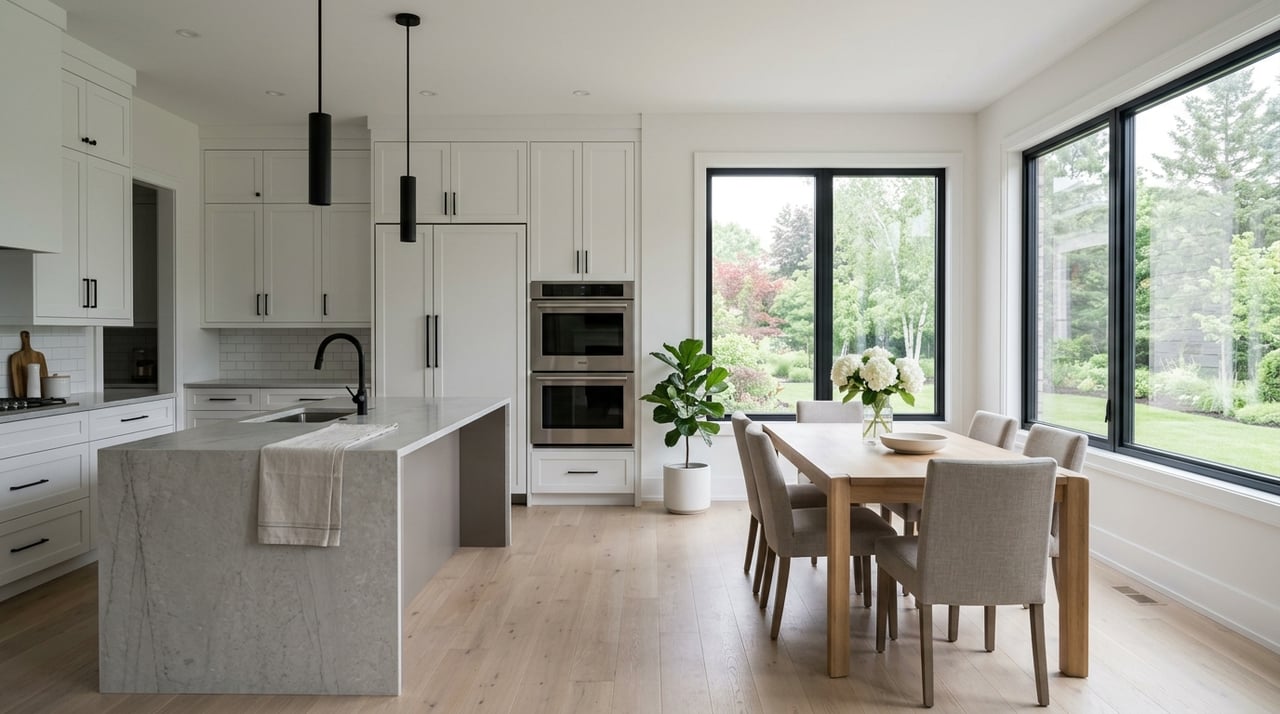
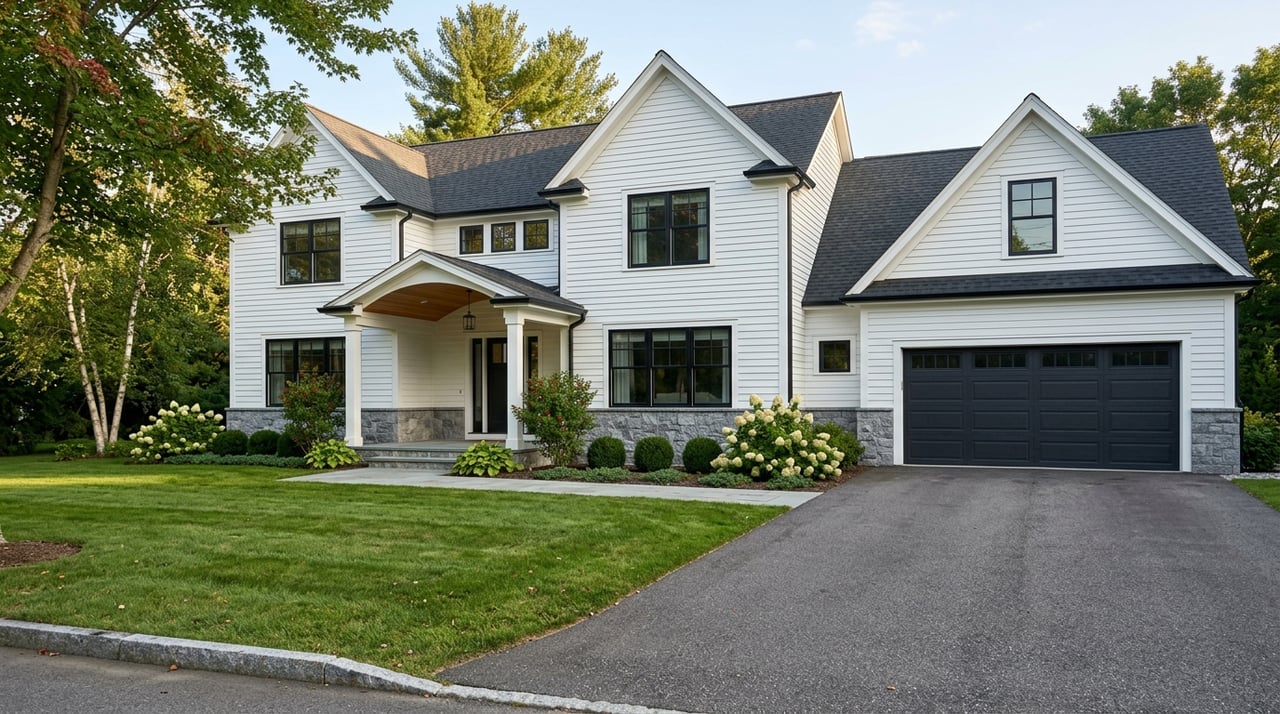
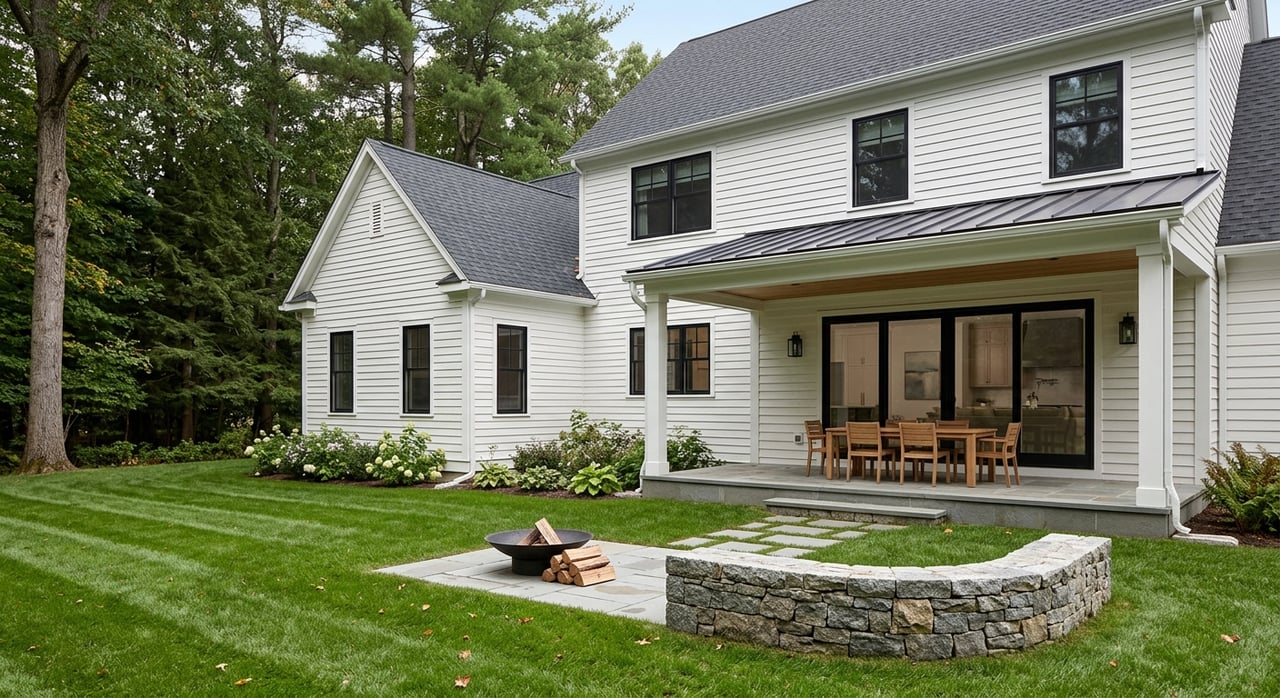
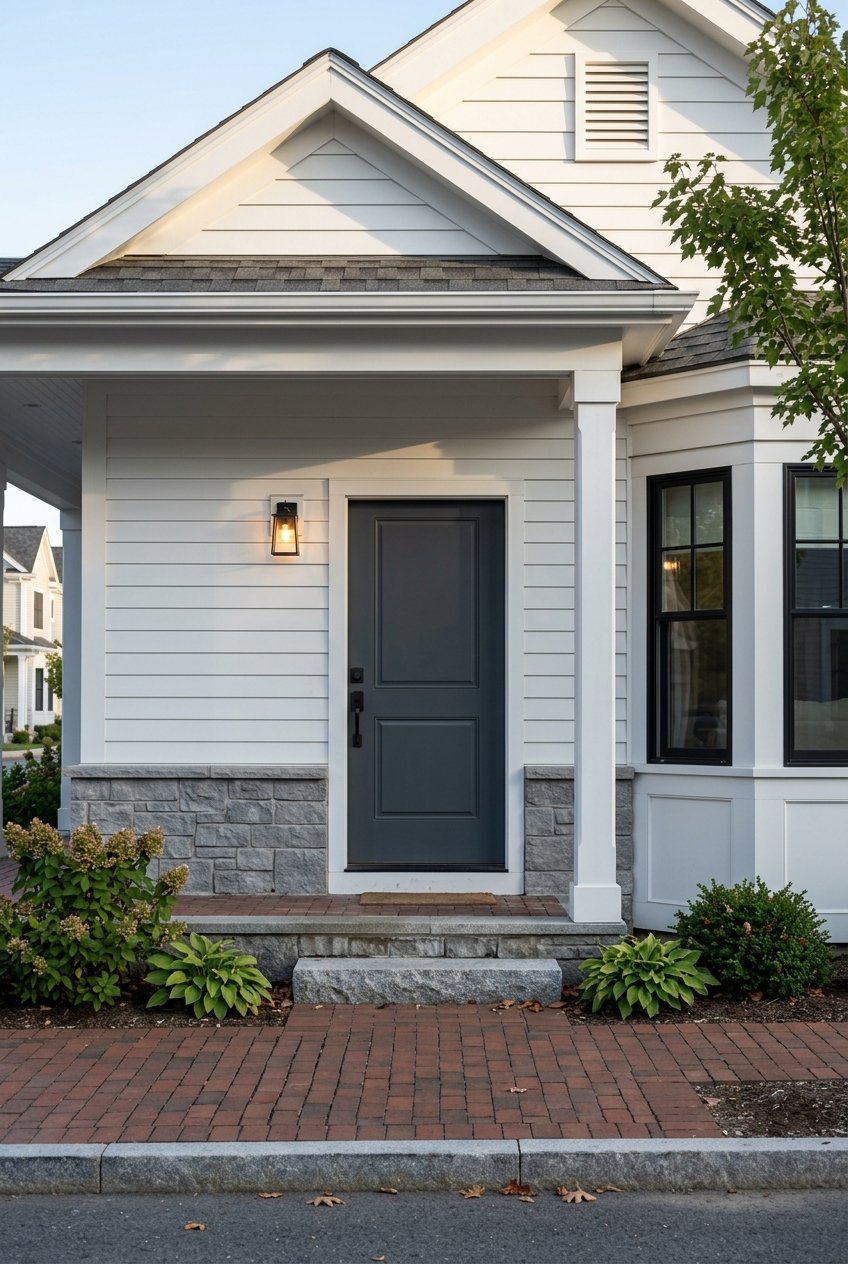
That suggests a market with a blend of established neighborhoods and newer urban-style opportunities. It is not a one-format city. Depending on your goals, you may be looking at a more traditional residential setting, a condo or apartment with easier access to downtown, or an area influenced by ongoing redevelopment near the riverfront.
The city is also addressing housing access through policy. Nashua says its inclusionary zoning program is intended to increase workforce housing stock, and it also offers a first-time homebuyer assistance program for eligible buyers purchasing homes in the city.
If you are trying to decide whether Nashua fits your budget, lifestyle, or long-term plans, this mix is important. The city’s housing character appears to be shaped by older urban fabric, riverfront redevelopment, and suburban-style household stability rather than one uniform type of neighborhood or property.
Why Nashua Appeals to Many Buyers
Nashua can be a strong fit if you want options in your day-to-day life. You have a downtown that functions as a real activity center, major shopping access, parks that support routine outdoor time, and transportation connections that help with commuting and convenience.
It can also appeal if you want a city that feels active without feeling one-dimensional. The combination of Main Street events, riverfront planning, Mine Falls Park, and year-round community traditions gives Nashua a sense of movement and variety.
If you are weighing a move, the real question is often not just what homes are available, but what your life would actually feel like once you live there. In Nashua, the answer is usually a mix of convenience, recreation, community activity, and housing choices that support different stages of life.
If you are exploring homes or trying to understand which southern New Hampshire community best matches your goals, Connie Distasio can help you sort through the options with candid advice, local insight, and a low-stress approach.
FAQs
What is everyday life like in Nashua, NH?
- Everyday life in Nashua often includes a mix of commuting, local shopping, dining, parks, downtown events, and outdoor recreation, with both urban-style and suburban-style living patterns across the city.
Is downtown Nashua part of daily life for residents?
- Yes. The city describes downtown as its historic and cultural center, with shops, restaurants, events, and mixed-use spaces that make it part of regular day-to-day activity.
What outdoor activities are available in Nashua, NH?
- Nashua offers outdoor options like walking, biking, boating, fishing, cross-country skiing, sports fields, trails, playgrounds, and seasonal recreation at places such as Mine Falls Park and Greeley Park.
How do people get around in Nashua, NH?
- Residents can use CityBus routes and the downtown Transit Center, and drivers benefit from access to Route 3, the F.E. Everett Turnpike, downtown parking, and multiple highway exits.
What is the housing character in Nashua, NH?
- Nashua’s housing character includes established residential areas, downtown mixed-use living, and riverfront redevelopment potential, creating a range of housing environments rather than one single style.
Is Nashua, NH a good place to consider for a move?
- Nashua may appeal to buyers who want a city with practical commuting access, parks, shopping, dining, recurring events, and a housing market with a mix of ownership and rental options.